Understanding the psychology behind casino games and player behavior
The Allure of Casino Games
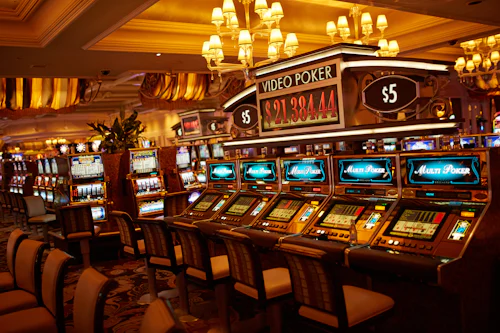
The psychological appeal of casino games lies in their ability to create an exhilarating environment that captivates players. Bright lights, engaging sounds, and the thrill of uncertainty engage the senses and stimulate the brain’s reward centers. This sensory overload is meticulously designed to evoke excitement and anticipation, enticing players to return for more, as seen on https://theblackpepper.co.uk/ which offers insights into gaming strategies. The immediate feedback from wins, regardless of their size, triggers dopamine release, further reinforcing the desire to play, often overshadowing rational thoughts about the potential for losses.

Furthermore, the concept of intermittent reinforcement plays a critical role in developing addiction to these sensations. Players find themselves caught in a cycle of unpredictability, particularly in games like slot machines, where the promise of a significant win keeps them spinning the reels long after logic suggests they should stop. This psychological phenomenon of chasing a win after a series of losses can lead to compulsive gambling habits, as players maintain the belief that they are “due” for a victory. Research has shown that this unpredictability can lead to more persistent gambling behavior, creating a powerful drive to continue playing against all odds.
Moreover, the social environment of casinos contributes significantly to player behavior. Gamblers often enjoy the communal aspect of gaming, sharing excitement and camaraderie with friends or fellow players. This social interaction not only enhances the gaming experience but also encourages players to take risks they might not consider when playing alone. The combination of sensory stimulation, the thrill of chance, and the reinforcement of social bonds creates a compelling environment that can be incredibly difficult to resist, often leading to prolonged play sessions.
The Role of Cognitive Biases
Cognitive biases are pervasive in gambling behavior, influencing how players perceive their chances and make decisions. One of the most common biases is known as the “gambler’s fallacy,” where individuals mistakenly believe that past outcomes can affect future results. For instance, if a player has experienced several consecutive losses, they may feel that they are “due” for a win, prompting them to increase their stakes. This misconception can result in irrational betting behavior, leading to significant losses and a cycle of frustration and further gambling.
Another significant cognitive bias is the “illusion of control,” where players believe they can influence the outcome of a game through their actions, even when the game is purely based on chance. This belief is particularly pronounced in skill-based games such as poker, where strategic decisions can indeed impact results. However, even in games of chance, players may resort to superstitions or rituals, thinking these practices will enhance their luck. This false sense of agency can deepen emotional investment in the game and prolong engagement, making it challenging for players to step back and assess their true odds.
Additionally, loss aversion—a principle from behavioral economics—also shapes player behavior. Players often experience losses more acutely than the pleasure derived from wins, which can lead to a tendency to chase losses. This drive to recover lost money often leads to continued gambling, even when it is financially harmful. By recognizing these cognitive biases, players can gain a clearer understanding of their behavior and the irrational patterns that may contribute to their gambling activities, leading to more informed and responsible gaming choices.
Emotional Responses and Decision-Making
The emotional landscape of gambling profoundly influences decision-making processes. Players navigate a spectrum of emotions, including excitement, hope, frustration, and despair. These emotional highs and lows can cloud judgment, prompting impulsive decisions that may not align with logical thinking. For example, the exhilaration of hitting a small win can lead players to significantly increase their bets, often spiraling them into a losing streak as they chase that initial thrill.
Moreover, emotional states significantly impact a player’s willingness to engage in riskier behavior. When players feel confident or euphoric, they may take larger risks, convinced that their luck will continue to favor them. Conversely, individuals experiencing negative emotions may turn to gambling as an emotional escape or coping mechanism. This emotional volatility creates a cycle where decisions are often driven more by feelings than by a rational assessment of the odds, leading to potentially harmful gambling habits.
Furthermore, understanding the distinction between intrinsic and extrinsic motivations can help clarify player behavior. Some players are motivated by intrinsic rewards, such as enjoyment and entertainment, while others are driven by extrinsic factors, like the pursuit of monetary gain. Recognizing these motivations can lead to varying gaming strategies and preferences. Casinos often tailor their offerings to cater to both types of players, creating environments that encourage prolonged engagement and exploration of diverse gaming options, enhancing the overall experience for all involved.
The Impact of Environment on Player Behavior
The design and atmosphere of a casino significantly impact player behavior and overall experience. Casinos are meticulously crafted spaces that utilize layout, lighting, and sound to amplify excitement and extend gameplay. The absence of clocks and windows, combined with a steady flow of complimentary drinks, serves to immerse players in the gaming experience, often resulting in a loss of awareness regarding time and money spent.
The architectural design also shapes the social dynamics among players. Open layouts encourage interaction and community, while high-stakes areas foster an exclusive atmosphere that can heighten the thrill of the game. Such environments leverage the social nature of gambling, where shared experiences amplify emotions and motivate players to remain engaged for longer periods. Casinos frequently host events and tournaments to cultivate a sense of community, further incentivizing players to return and deepening their loyalty.
Additionally, the role of technology in modern casinos introduces new dimensions to player experience. Online gaming platforms replicate the casino environment digitally, allowing players to enjoy games from the comfort of their own homes. This accessibility can lead to increased frequency of play, as players can engage at their convenience. As technology continues to evolve, understanding how these environments affect player behavior becomes essential for fostering responsible gaming practices, both in physical casinos and online platforms.
Your Resource for Understanding Casino Dynamics
For those eager to explore the intricate psychology behind casino games and player behavior, a wealth of resources and platforms exists that offer insight into this fascinating subject. Delving into the psychological strategies underpinning gambling can enhance your understanding and contribute to a more responsible approach to gaming. By engaging with academic studies, expert opinions, and industry insights, individuals can gain a comprehensive perspective on how psychological principles shape player experiences.
Moreover, educational webinars and community discussions provide valuable platforms for knowledge sharing and fostering understanding among players and industry professionals alike. Whether you are a casual player or someone considering a career in the gaming industry, staying informed about the psychological aspects of gambling can deepen your appreciation for the games and their complexities. This knowledge can empower players to make informed decisions and cultivate healthier gaming habits.
In conclusion, consolidating your understanding of the psychological dynamics at play in casino games will not only enrich your gaming experiences but also promote responsible gambling practices. Awareness of the psychological triggers and behavioral patterns prevalent in casino environments is crucial for making informed choices and ensuring that gaming remains an enjoyable and entertaining activity rather than a source of anxiety or financial distress. Embracing this knowledge can lead to a more balanced and responsible approach to gambling, ultimately enhancing the enjoyment of the experience for all players.